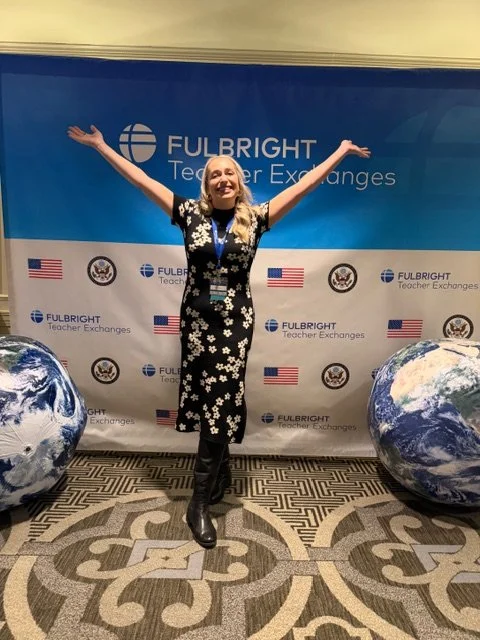
I believe that a student’s zip code should not define the boundaries of their world. My teaching philosophy is rooted in Radical Empathy and Global Competence. In my nine years teaching in the Bronx, I’ve worked to move beyond the textbook, helping students recognize perspectives, investigate world issues, and communicate ideas across cultures. I am currently a Fulbright Teachers for Global Classrooms (TGC) 2025-2026 participant, a Fund for Teachers 2026 fellow, and a Peace Corps Virtual Service Learning Program Participant (VSPP).
My work with Fulbright Teachers for Global Classrooms began this journey. I encourage you to check out my global education guide where you can teach, learn, and travel (you do not have to subscribe—it’s free!) alongside with me.
Global Competence is the ability to navigate a complex world with humility and dignity. It is the practice of 'trying on the shoes' of others to understand diverse perspectives and recognizing that our local struggles—from food insecurity to migration—are inextricably linked to a broader global framework. To be globally competent is to move beyond textbooks to become an advocate for change in both your own community and the world. Global competence, for educators, is a toolkit in a world without borders. It allows individuals to shape their understanding of the world through authentic lenses and various points of view; I would argue this is essential to move forward in our world today. As Franklin Roosevelt once said, “"To reach a port we must sail—sail, not tie at anchor—sail, not drift."
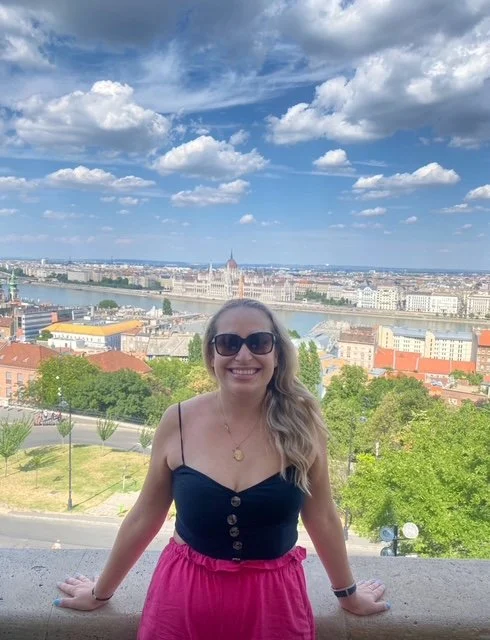
My work has been centered on the power of international exchange. I’ve leveraged these fellowships to bring authentic global perspectives back to my classroom, proving that international collaboration isn't just for higher ed—it’s a vital tool for K-12 equity.

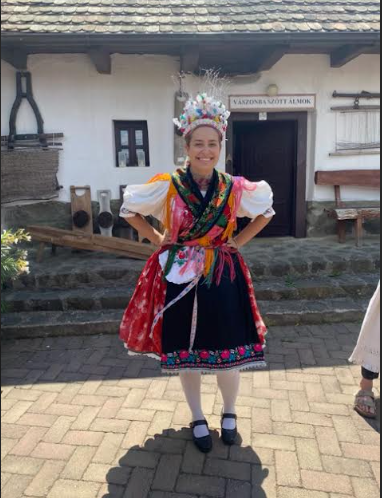
Fund for Teachers Fellow 2026 (#FFTFellow2026)
As an ENL and Social Studies educator at a Title I urban secondary school, I am committed to fostering a community of inclusion that mirrors the diverse journeys of my immigrant students. My 2026 Fund for Teachers fellowship involves a research project across seven Southeast and East Asian nations to transform my Tenth Grade Global History curriculum.
By conducting primary linguistic and cultural research—ranging from documenting the legacy of unexploded ordnance (UXO) in Laos to exploring the DMZ in South Korea—I aim to "de-center" the traditionally Eurocentric narrative of the Cold War. This fellowship will allow me to develop student-centered resources that reflect my students' backgrounds and promote a more inclusive understanding of the human experience in the "Modern Global East". Research questions include:
In what ways do the localized histories of conflict and recovery—specifically at sites like the War Remnants Museum in Vietnam and the COPE Visitor Centre in Laos—reframe our understanding of the Cold War's human impact?
How can primary artifacts and narratives gathered from these sites be translated into classroom resources that empower ENL students to see their own cultural histories represented as central, rather than peripheral, to global events?
Peace Corps Virtual Service Learning Pilot
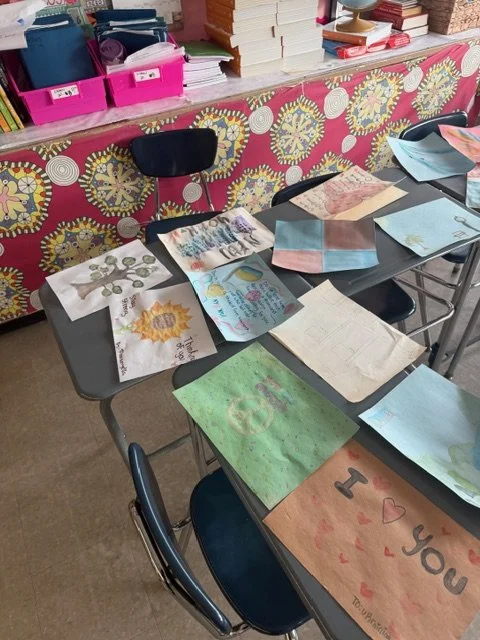
Through the Peace Corps Virtual Service Learning Pilot Program (VSPP), I’ve had the privilege of working directly with Ukrainian students. In the midst of global conflict, our virtual classroom became a space for resilience and cross-cultural solidarity. This work reinforced my belief that "Global Competence" isn't just a buzzword; it’s a tool for peace-building and empathy during times of crisis. My students in the Bronx are able to hear their stories and build upon empathy as they write and create art work of resilience for our new friends in the Ukraine.